
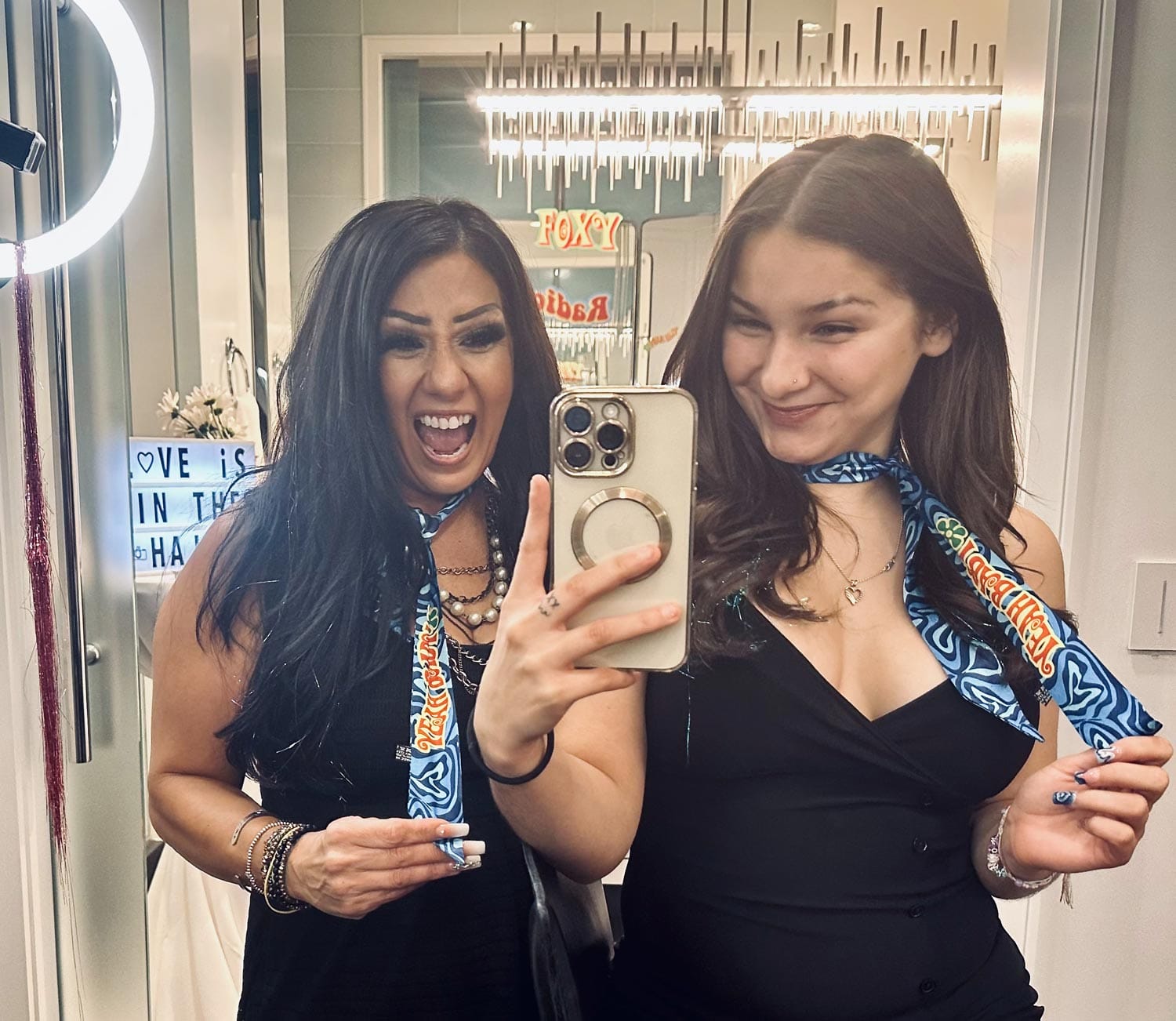
Gen Z, the generation that grew up on digital is hungry for the handmade and the real. Here is what the research says, and what event planners should do about it.
There is a persistent assumption about Gen Z and events that the research has been quietly dismantling for years. The assumption is that this generation, raised on screens and social media, prefers digital interaction to the real thing. That they would rather watch something online than show up in person. That they are fundamentally harder to engage at a live event than their older counterparts.
The data says the opposite, and the gap between assumption and reality is wide enough to matter significantly for anyone planning events right now. Gen Z is not disengaged from live experiences. They are hungry for them, specifically because they have spent so much of their lives online. And what they want when they get to an event maps almost perfectly to what interactive entertainment has always delivered.
The Paradox: The Most Connected Generation Feels the Most Disconnected
Freeman’s 2025 Gen Z Report, conducted with The Harris Poll across nearly 1,900 working professionals, produced a finding that should reshape how planners think about this audience: 91 percent of Gen Z say that technology has made them feel less connected and more isolated from others in their company or industry. This is the generation that has never known a world without smartphones, social media, and constant digital connectivity. And 91 percent of them say that same connectivity has left them feeling more alone.
The same report found that 79 percent of Gen Z feel companies focus more on technology to connect with people than on building actual in-person connections. Half of Gen Z, according to a Harris Poll for Forbes, wish platforms like TikTok and X did not exist. Eighty-two percent say they want to interact with people more in the real world.
This is not a generation pulling away from live events. This is a generation that has been living in digital environments and showing up at events specifically to escape them. The implication for planners is that the event itself, the physical room, the people in it, the things happening at the tables, needs to deliver something a screen cannot. And it absolutely can.
What Gen Z Actually Wants When They Get There
Eventbrite’s 2026 Social Study surveyed 4,051 people between the ages of 18 and 35 and identified what they called the Reset to Real: a fundamental shift away from curated, polished, choreographed event experiences toward moments that feel unrepeatable, participatory, and authentic. Seventy-nine percent of young adults said they value spontaneity over a perfect plan. Fifty-eight percent prefer events where socializing is not the main focus, where they can connect on their own terms rather than through forced networking.
The Eventbrite data also showed that attendance at hands-on, skill-based events is surging. Flower arranging events jumped 282 percent in the UK. Puzzle competitions doubled in the US. Activities that give guests something to do with their hands, in a low-pressure setting where connection happens as a byproduct of the activity rather than the goal of it, are exactly what this demographic is seeking out and spending on.
The handmade piece is worth its own conversation. Research from Mintel found that 71 percent of US consumers identify as crafters, and the trend is strongest among younger adults. Gen Z has driven a genuine renaissance in handcrafted goods and experiences, from crochet and ceramics to candle making and metalworking, specifically because handmade things feel real and personal in a way that mass-produced and algorithmically-served content does not. As one researcher put it: making something is a form of proof that you exist outside a screen.
The Corporate Angle: Why This Is Especially Good News for Employers
Gen Z now makes up roughly 25 percent of the global workforce, and the Bureau of Labor Statistics projects they will constitute around 30 percent of it by 2030. They are also, according to Freeman’s research, the generation most actively asking their employers to invest in in-person events: 86 percent of Gen Z working professionals want their company to allocate more spending to events as a means of building stronger business relationships. They are requesting this. Planners have permission to deliver it.
The GoGather survey of Gen Z professionals found that 75 percent prefer a mix of structured activities and free time at events, and that they want opportunities for organic, casual connection rather than formal networking sessions. They are also, according to Freeman, less confident in social and interpersonal settings than older colleagues: only around two in five Gen Z employees express high confidence in networking or building business relationships. In-person events, the same research found, are how they build that confidence. Ninety-one percent of Gen Z agree that in-person events are among the best ways to build social and interpersonal skills.
An interactive station is one of the most effective tools available for exactly this dynamic. It gives a less confident guest something to do and focus on. It creates natural, side-by-side conversation without the pressure of a networking exercise. It puts people from different departments or seniority levels at the same table doing the same thing, which levels the room in a way that a panel discussion never will.
What This Looks Like in Practice at a Laine Too Event
Every characteristic that research identifies as central to what Gen Z wants at an event maps directly to what we do. Handmade, personal, low-pressure, participatory, producing something real to take home: this is the entire premise of our service menu.
Our make-and-take stations, candle pouring, body scrubs, bath soaks, lip balm bars, lotion making, room diffusers, and the full wellness menu, give guests a hands-on, creative experience that produces a physical object. That object is personalized because they made it themselves, chose the scent and the color and the label, and the imperfections in it are part of what makes it theirs. This is precisely what Gen Z research identifies as the handmade appeal: the quirks are the point.
Metal stamping and leather stamping deliver the same handmade authenticity through a different material. Pressing a name or a date into metal is a physical, irreversible act that produces a one-of-a-kind object. For a generation that values the authentic over the mass-produced, that distinction is not a small thing.
Our live artist stations, glitter tattoos, festival makeup, airbrush tattoos, face painting, deliver the visual boldness and personal transformation that Gen Z’s event preferences point toward. A glitter tattoo station running custom designs is both a participatory experience and a social one: it is impossible to get a glitter tattoo without everyone around you noticing, which is exactly the kind of low-pressure, activity-mediated connection that research says Gen Z prefers to structured networking.
Permanent jewelry deserves a specific mention here. For Gen Z specifically, a no-clasp chain welded on-site sits at the intersection of everything they value in an event experience: it is handmade, personal, irreversible, and shareable. The story of getting it at your event travels with the jewelry itself. It photographs well, it generates UGC, and it is the kind of unexpected station that the Eventbrite research identifies as driving the highest willingness to spend: young adults are 44 percent more likely to pay a premium for an event when the experience feels one-of-a-kind and unrepeatable.
The Takeaway for Planners
Gen Z is not a difficult audience. They are a clear one. They want to make something. They want to connect without being forced to. They want to leave with something real. They want to be in a room that feels alive rather than produced. And they are showing up to events specifically because a screen cannot give them any of that.
That is not a challenge to work around. That is an opportunity to design toward, and one that benefits every other guest in the room at the same time. The grandmother at the glitter tattoo station and the twenty-three-year-old new hire are in line together for exactly the same reason: something is happening at that table worth being part of.
We are Laine Too, Chicago’s Guest Participation Experts, and we have been designing these experiences since 2013. If you are planning an event and want every generation in the room to leave with something they actually remember, reach out. We would love to help you build it!